
1000 Healthy Elderly Study
What keeps brains sharp with age, and how can we spot trouble early, simply, and non-invasively?
Ten years after building a unique biobank of ~1,000 volunteers, we’re reconnecting. With an ~80% response rate and 300 revisits already completed, we’re working to track brain health over time and develop practical early biomarkers.

About the study
Why follow healthy older adults?
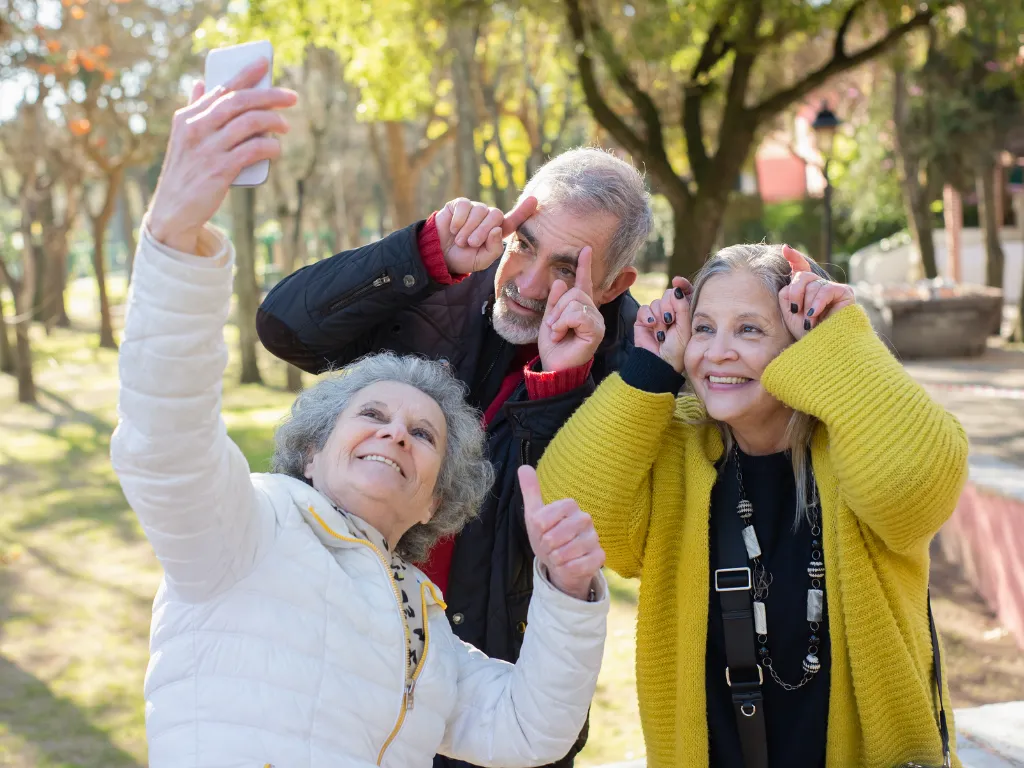
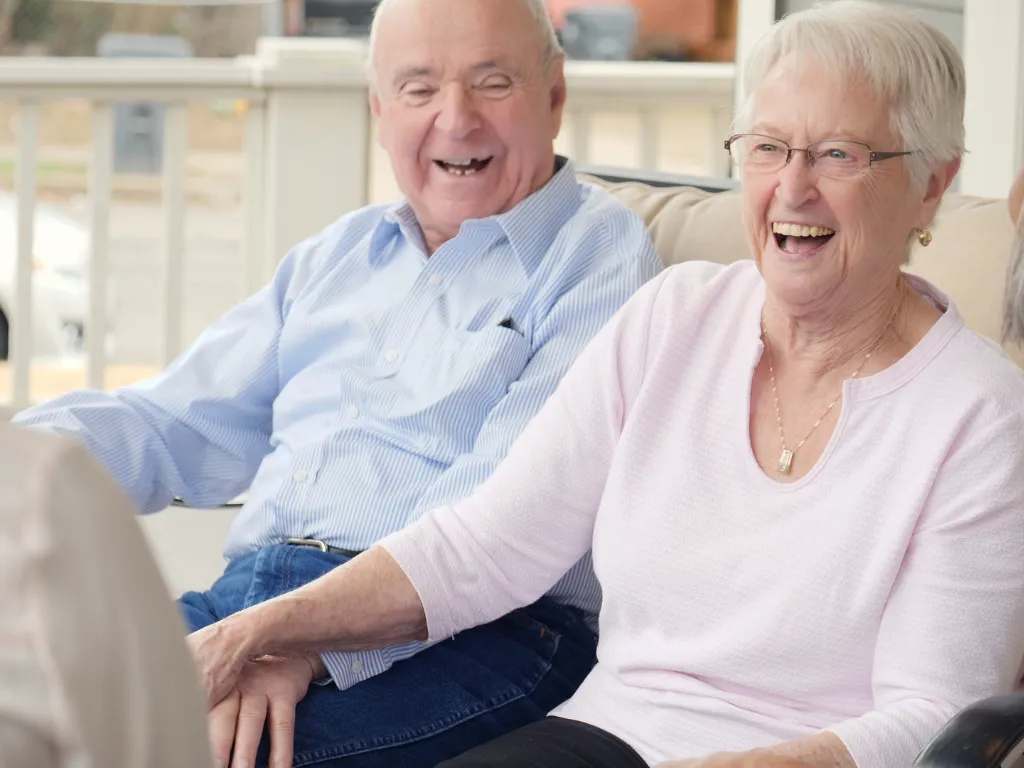
Most people notice some changes in memory as they age. Only some go on to develop dementia. By following people who were healthy at baseline—now aged 50 to 90+—we can learn what separates normal aging from early disease, and when to act.
What we’re doing
- Longitudinal follow-up of our original cohort, now 10 years later.
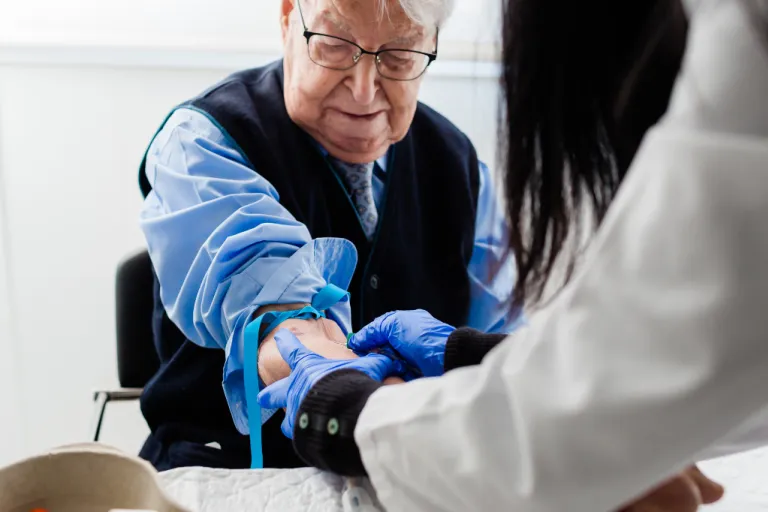
- Low-burden sampling: a small blood draw and simple tear-fluid collection
- Multimodal readouts from blood and tears (extracellular RNA/DNA, proteins, lipids, immune markers), plus brief cognitive checks and information on health and environmental exposures
- Smart analytics to reconstruct individual trajectories and find tipping points between healthy and pathological aging
Why it matters
Early, scalable biomarkers could help clinicians reassure the many experiencing normal change, and flag the few who need follow-up, sooner. That’s how we open a better therapeutic window.
Where we are now
Milestone of 300 participants reached!
- We revisit approx 200 participants per year
- 80% says “yes” to a new round of sampling.
- Our first focus is on tear-fluid and blood markers that are feasible outside specialist centers.
Please note: This is a research study. We do not provide personal diagnoses or medical advice.
For participants
What a visit looks like
- Short questionnaire & brief cognitive check
- Blood sample (standard venipuncture)
- Tear-fluid collection—just a small paper strip at the eyelid for a few minutes
No invasive procedures.
What happens with my samples?
Your samples are processed in our secure biobank and used for research only. Data are coded (pseudonymized) and handled under ethical approval and GDPR-compliant governance.
For researchers
- Open to collaboration. Academic and (where appropriate) industry partnerships that align with ethics and consent are welcome.
- What’s available. Longitudinal, low-burden samples (blood, tear fluid) with cognition, exposures, and genetics; governance supports responsible data/sample sharing.
- How to engage. Get in touch. Our biobank lead will assess feasibility, consents, and approvals, and advise on next steps.
The team


Partners


Grateful for the support of